
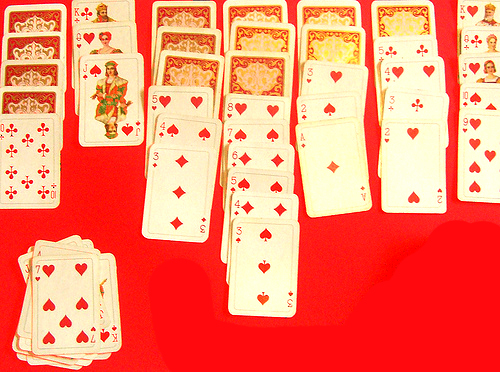
I was playing Patience (also known as Solitaire).
All the cards were red.
I was playing Patience (also known as Solitaire).
All the cards were red.
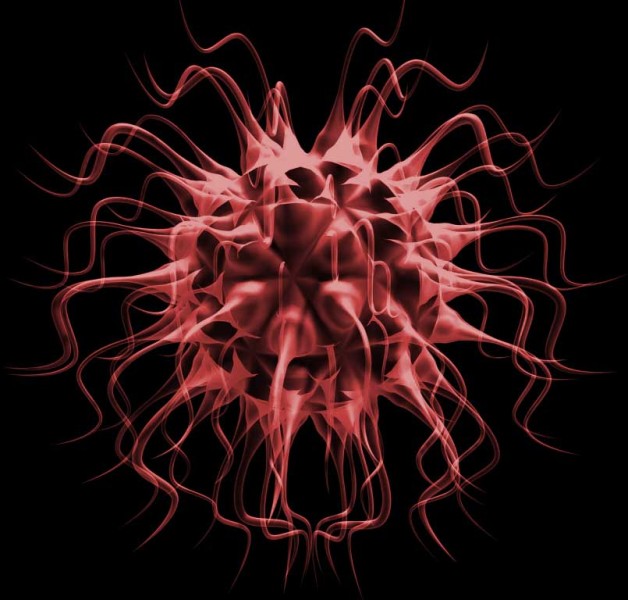
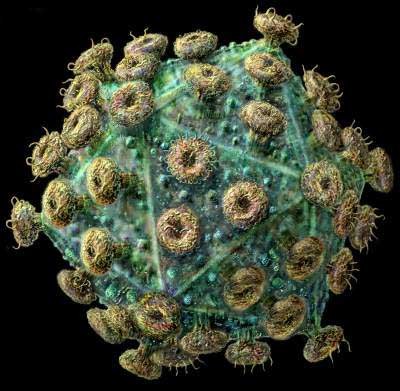
The prime directive of all organisms is to reproduce and survive, which is also the case for viruses, which in most cases are considered a nuisance to humans.
Viruses – An Overview
Viruses possess both living and non-living characteristics. The unique characteristic that differentiates viruses from other organisms is the fact that they require other organisms to host themselves in order to survive, hence they are deemed obligate parasites.
Viruses can be spread in the following exemplar ways
Airborne – Viruses that infect their hosts from the open air
Blood Borne – Transmission of the virus between organisms when infected blood enters an organisms circulatory system
Contamination – Caused from the consumption of materials by organisms such as water and food which have viruses within
Therefore viruses have many means of getting transmitted from one organism to another.
Cell Assimilation by a Virus
Viruses are tiny micro-organisms, and due to their size and simplicity, they are unable to replicate independently. Therefore, when a virus is situated in a host, it requires the means to reproduce before it dies out without producing more viruses.
This is done by altering the genetic make up of a cell to start coding for materials required to make more viruses. By altering the cell instructions, more viruses can be produced which in turn, can affect more cells and continue their existence as a species.
The following is a step by step guide of how an example bacteriophage (a virus that infects bacteria) takes control of its host cell and reproduces itself.
The virus approaches the bacteria and attaches itself to the cell membrane
The tail gives the virus the means to thrust its genetic information into the bacteria
Nucleotides from the host are ‘stolen’ in order for the virus to create copies of itself
The viral DNA alters the genetic coding of the host cell to create protein coats for the newly create viral DNA strands
The viral DNA enters its DNA coat
The cell is swollen with many copies of the original virus and bursts, allowing the viruses to attach themselves to other nearby cells
The process begins all over again with many more viruses attacking the hosts’ cells
Without a means of defence, the host that is under attack from the virus would soon die. The next page looks at how organisms defend themselves from these ruthless viruses.
http://www.biology-online.org/1/9_pathogens.htm
Organisms must find a means of defence against antigens such a viruses described on the previous page. If this was not the case, bacteria, fungi and viruses would replicate out of control inside other organisms which would most likely already be extinct.
Therefore organisms employ many types of defence to stop this happening. Means of defence can be categorised into first and second lines of defence, with the first line usually having direct contact with the external environment.
First Lines of Defence
Skin is an excellent line of defence because it provides an almost impenetrable biological barrier protecting the internal environment.
Lysozyme is an enzyme found in tears and saliva that has powerful digestive capabilities, and can break down foreign agents to a harmless status before they enter the body.
The clotting of blood near open wounds prevents an open space for antigens to easily enter the organism by coagulating the blood.
Mucus and cilia found in the nose and throat can catch foreign agents entering these open cavities then sweep them outside via coughing, sneezing and vomiting.
The cell wall of plants consists of fibrous proteins which provide a barrier to potential parasites (antigens).
If these first lines of defence fail, then there are further defences found within the body to ensure that the foreign agent is eliminated.
Second Lines of Defence
Second lines of defence deal with antigens that have bypassed the first lines of defence and still remain a threat to the infected organism.
Interferons are a family of proteins that are released by a cell that is under attack by an antigen. These interferons attach themselves to receptors on the plasma membrane of other cells, effectively instructing it of the previous cells’ situation.
This tells these neighbouring cells that an antigen is nearby and instructs them to begin coding for antiviral proteins, which upon action, defend the cell by shutting it down. In light of this, any invading antigen will not be able to replicated its DNA (or mRNA) and protein coat inside the cell, effectively preventing the spread of it in the organism. These antiviral proteins provide the organism with protection against a wide range of viruses.
This action brought about by interferon is a defensive measure, while white blood cells in the second line of defence in animals can provide a means of attacking these antigens.
One method of attacking antigens is by a method called phagocytosis, where the contents of the antigen are broken down by molecules called phagocytes.
These phagocytes contain digestive enzymes in their lysosomes (an organelle in phagocytes) such as lysozyme. White blood cells such as a neutrophil or a monocyte are capable of undergoing phagocytosis, which is illustrated below.

• The bacterium inside the cell gives out chemical messages that are picked up by the phagocyte.
• The bacteria targets the cell as a possible host and moves towards it.
• The cell is prepared for this and the bacterium becomes trapped in a vacuole that forms around it.
• The bacterium is a sitting duck that is harmless at present.
• The lysosomes detect the bacterium and the digestive enzymes inside them begin to break the bacterium down.
• The remnants of the lysosome and bacterium materials are absorbed into the cytoplasm.
The above illustrates one method of ridding an organism of an internal threat caused by an antigen. This is a non-specific response to an antigen.

I noticed that the ‘Grid’ from Hunt’s blog post “Agents Khan and Hunt document Voodoo Insect God encounter”

was strikingly similar in lay out to Guy Debord’s board game “The Game of War”